Why Buy Frozen Mussels?
Frozen Mussels work because freezing turns shellfish from a “use it today” ingredient into something you can control: portions, timing, and results. With fresh mussels, quality is real — but so is variability. “Fresh” can still spend time in handling, transport, and cold storage before it reaches you, and those hours add up. Frozen is different. Freezing locks in a point-in-time quality, so what you cook on Tuesday is much closer to what you cooked last month.
For buying and kitchen planning, frozen is a quiet advantage. Packs are easy to store, easy to portion, and easy to repeat. You can take what you need and keep the rest properly sealed, which helps you avoid waste and last-minute “what do I do with the leftovers?” panic. It also makes ordering simpler: you pick the pack format and weight band that suits your cooking style, then rely on the label to behave the same way each time.
At frozenfish.direct, the aim is consistency: seafood is processed and frozen within hours, and where stated on-site, some lines are frozen within 3 hours of being caught — a practical way to reduce quality drift before freezing begins. That’s the real “freshness” conversation: it’s not just where something is bought, but how quickly it’s handled and stabilised.
A few simple truths sit underneath the label:
- Freezing slows spoilage. Cold storage protects quality. Stable temperatures reduce change.
- Portions reduce waste. Consistent weights improve cooking. Frozen stock improves meal planning.
- Good packaging limits exposure. Tight seals reduce air contact. Less air means fewer dry edges.
None of this is about dunking on fresh seafood. It’s about choosing the format that gives you repeatable results — and using frozen Mussels as the dependable option when you want reliable portions, less waste, and a cleaner plan from freezer to plate.
Choose Your Mussels
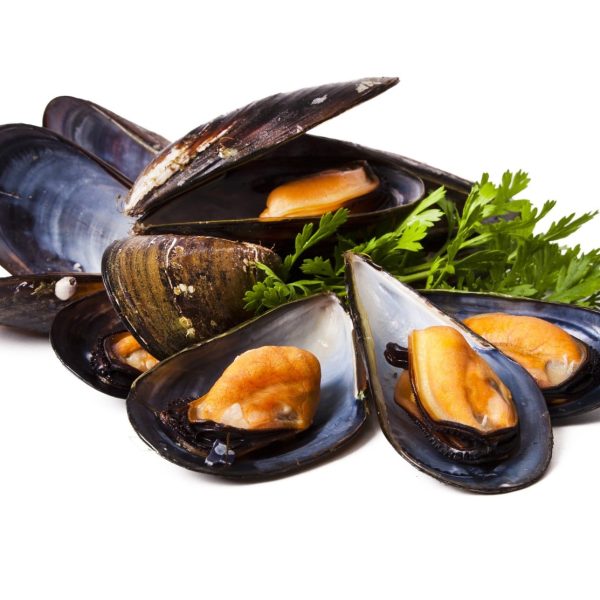
Whole Mussels (shell-on)
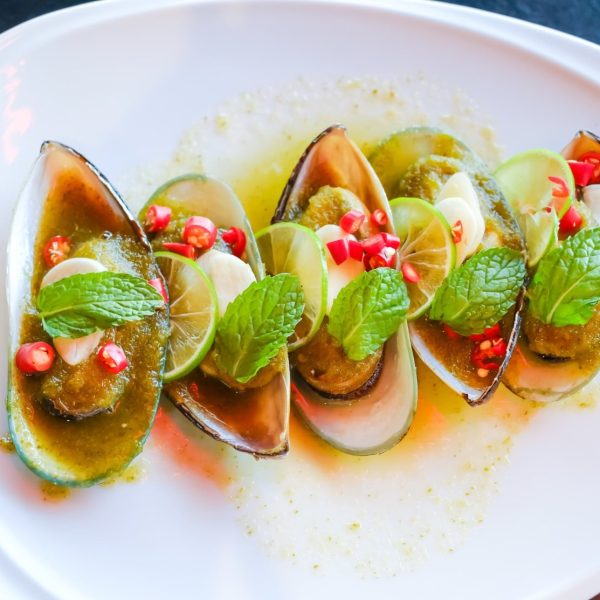
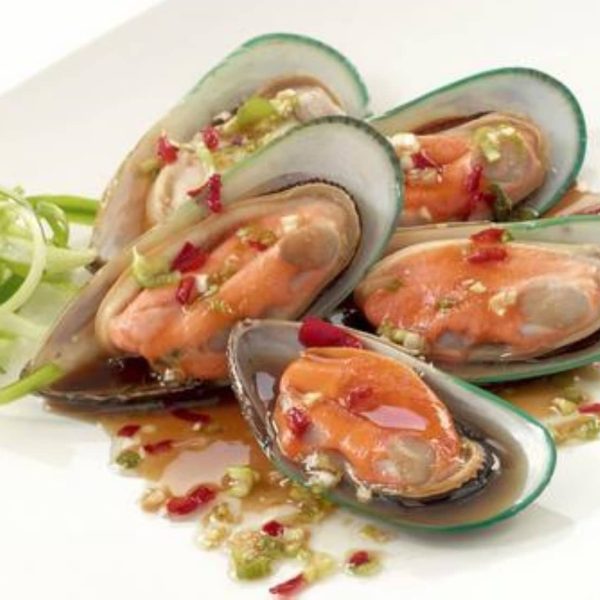
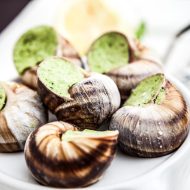
Whole mussels are the most versatile option when you want that classic shellfish character and a clean “open-and-serve” feel. They suit quick midweek cooking in a steaming pot, but they also hold up well in an oven tray bake with butter, herbs, and crumbs, or a fast finish in a hot pan once they’ve opened. Shell-on is ideal for moules marinières, brothy noodles, or a white wine reduction where the cooking liquor matters as much as the meat. If you like a dish with theatre and a built-in portion cue, whole mussels are the obvious pick.
Mussel Meat (shelled)
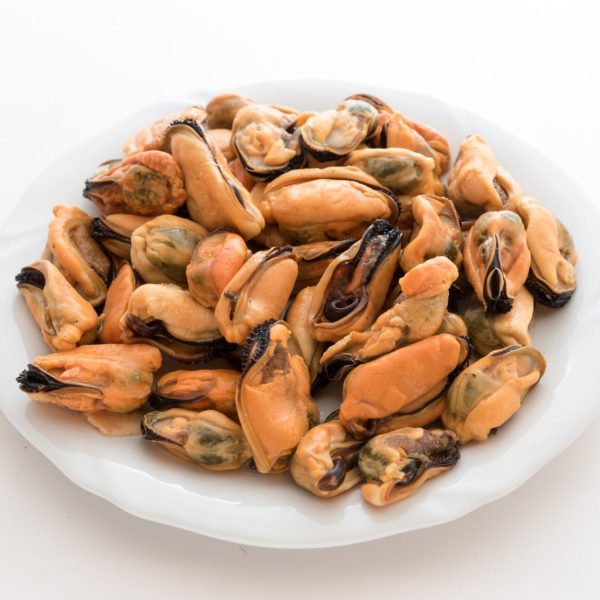
Shelled mussel meat is the practical workhorse: faster, neater, and built for portion control. Because the shells are already removed, you’re choosing pure yield — handy for midweek pastas, seafood risotto, or a quick bisque base without fuss. Predictable sizing makes it easier to portion for two, four, or a batch cook, and it’s a natural fit for pan or oven dishes where you want mussels integrated, not presented as the main event. For weeknight speed, mussel meat is the “straight to the pan” format (without needing the drama of shells).
Larger Mussels for high heat
If you want mussels that keep their bite under higher heat, look for larger pieces or whole, plump meats where stocked. Bigger mussels generally have a higher tolerance for quick, hot cooking — useful for pan-searing, a hot wok toss, or finishing on a grill plate where smaller mussels can over-tighten faster. They’re a strong match for robust sauces like nduja butter, tomato chilli, or smoky paprika, where you want the mussels to stay distinct rather than disappear into the sauce.
Value packs for batch prep and entertaining
For entertaining, meal prep, or feeding a table, larger packs make planning easier. You can portion by weight, stage your cooking in batches, and build dishes that scale — paella-style rice, big seafood pasta bowls, or a tray bake with garlic and parsley. These formats suit people who like to prep themselves: you control the portion size, the sauce, and the finish, whether that’s a sharp lemon-garlic glaze or a deeper stock-based broth.
Speciality mussel items
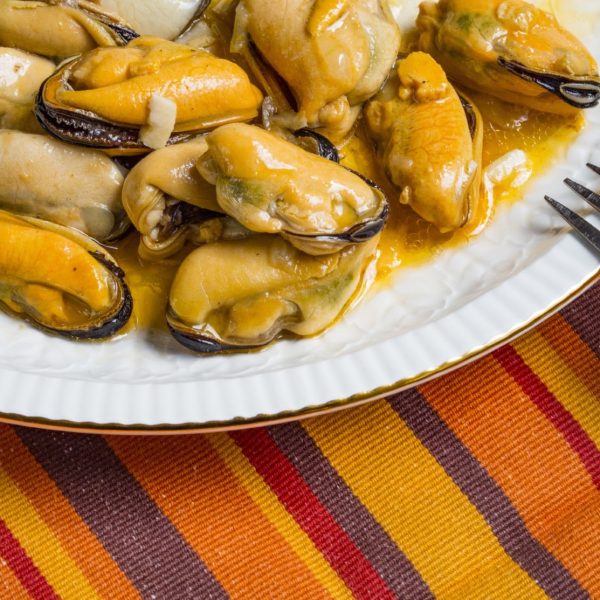
If speciality mussel lines are available, treat them as purpose-built: prepared, marinated, or pre-seasoned options designed for specific outcomes. They’re handy when you want speed and consistency for a particular dish, but the key is choosing them for the job they’re made to do — not as an all-round substitute for plain mussels.
Pick the Mussels that matches your pan, your timing, and your appetite.
What Arrives at Your Door
“Dispatched by DPD overnight courier.” That matters because frozen seafood only stays “easy to cook” when it stays properly cold from our freezer to yours. Your mussels are “Packed with dry ice in a polystyrene insulated box”, which is a practical cold-chain setup: the insulation slows external heat getting in, and the dry ice helps keep the contents frozen during transit. In plain terms, it’s engineered to protect texture and quality so your mussels arrive in the condition you expect — not half-defrosted and stressed.
Delivery dates are handled to keep things accurate without guesswork. Orders placed before the stated cut-off are prepared for next working day delivery on eligible days, and checkout controls valid delivery dates so you only select options that match the dispatch schedule. That means you’re not relying on vague promises — the system is designed to align what you choose at checkout with what can actually arrive next working day.
When it lands at your door, the first few minutes are where you keep everything simple. Open promptly, check your items, then move them straight to the freezer so they can settle back into a stable, deep cold. After that, treat the pack as the final authority: follow on-pack storage guidance for best quality and handling, because different mussel formats and pack types can have slightly different instructions.
Dry ice is safe when you handle it like a competent adult and keep it boring. Avoid direct skin contact, keep the area ventilated, don’t seal dry ice in an airtight container, and keep it away from children and pets. The key point is that dry ice turns into gas as it warms, so it needs space and airflow — no drama, just sensible handling.
The result is a delivery setup that’s focused on one job: keeping your mussels properly frozen, so cooking stays predictable and the eating stays good.
Label-First Transparency
Buying frozen mussels shouldn’t feel like a gamble where you only find out what you’ve bought when you open the bag. Our pages are built to be “label-first” because the boring fields are the ones that make your cooking predictable. On each product, you’ll see the practical buying details that matter: the cut or prep style, the weight or pack size, and — where relevant to the item — whether it’s skin-on/skinless and boneless/pin-boned. You’ll also see whether it’s wild or farmed where that applies, because that can shape how people choose based on taste, texture, and personal preference.
Some details genuinely vary by item. Instead of making category-wide promises that won’t hold up, we show the reality at product level. If origin or catch area changes between lines, it’s shown on the product details for that specific product. That way you can choose based on what’s actually in stock today, not what a generic category paragraph implies.
Allergen information is treated the same way: clear, visible, and useful. Mussels is flagged as an allergen, and ingredients are listed for products that have more than “just mussels” in the pack — for example, cured, smoked, seasoned, or value-added lines where a simple ingredient list is the difference between confidence and guesswork.
- Cut drives cooking. Weight drives timing. Pack size drives planning.
- Origin informs preference. Method informs texture. Prep style informs speed.
- Skin drives texture. Bones drive prep time. Clear labels drive trust.
- Product details reduce uncertainty. Repeatable packs improve results. Consistent info improves choices.
Storage and Defrosting
Frozen mussels are at their best when you treat the freezer like a pause button, not a long-term parking lot. Keep them properly frozen until you need them, and protect them from air exposure — that’s what causes freezer burn and that dull, slightly “stale” taste. If your mussels are vac packed, you’ve already got a head start because there’s less air in contact with the surface. At home, the simple habit that keeps quality high is rotation: slide older packs to the front, put new packs behind, and you’ll always cook your best stock first.
For defrosting, think of it as a hierarchy where texture is the goal. Fridge defrost is the default because it’s gentle and controlled. Keep the mussels contained — in a bowl or tray — so any drip loss doesn’t wander around your fridge, and so the pack stays tidy. Once defrosted, handle them with intent: drain well and pat dry before cooking. That one step is the difference between “watery and soft” and a cleaner sear where the surface browns instead of steaming.
Some packs are designed to be portionable from frozen, and that’s genuinely useful. If you only need a handful for a quick midweek pan, taking what you need and getting the rest back into the freezer fast helps limit thaw–refreeze stress on the product. You’ll still get the best results when the product is kept sealed and cold, and when the surface is dry before it hits heat.
Texture cues matter more than “rules”. Mussels can turn watery if they’re thawed with too much air exposure or left sitting in their own liquid. They should feel plump with a gentle firmness; if they seem overly soft, treat them with a lighter touch in the pan. As a general cooking truth, fatty cuts forgive heat more than lean ones — and while mussels aren’t “fatty cuts” in the same way as salmon, the idea still holds: delicate seafood rewards restraint.
Refreezing is where being conservative is smart. If you’ve fully defrosted a pack and you’re not sure it stayed properly cold, don’t refreeze. Follow on-pack instructions first, and when in doubt, cook what you’ve thawed rather than cycling it back into the freezer.
Cooking Outcomes
Hot pan sear
For the best pan result, start with a dry surface and a properly hot pan — moisture is the enemy of browning. Add a small amount of oil, place the mussels in, then leave them alone for a moment so the surface can take colour instead of tearing and turning steamy. Watch for cues: edges going lightly golden, a cleaner “sea-sweet” smell, and the mussels looking plump rather than shrinking tight. Finish gently: lower the heat, add a knob of butter or a splash of wine if you like, and stop as soon as they’re just cooked through. Dry surface equals better sear. Gentle finish protects moisture. Resting evens temperature.
Quick steam finish
Steaming is the easiest way to keep mussels juicy, but it’s also where people overdo it. Use medium heat and a covered pan with a small splash of liquid so you get steam, not a simmering bath. Your doneness cue is visual: shells open wide (if shell-on), flesh turns opaque and glossy, and the aroma shifts from “raw sea” to “clean briny”. The moment they’re open and plump, they’re done — leaving them longer makes them chewy and tight. Thickness changes timing. Fat content changes forgiveness.
Oven bake or grill
Oven and grill are great when you want a firmer bite and a little surface colour, especially for larger mussels or prepared lines designed for high heat. Spread them out so heat can circulate; crowding traps steam and gives you “soft and watery” instead of browned. Look for light browning on exposed surfaces and a springy feel when pressed, not a hard, rubbery chew. Pull them early and let them rest briefly off the heat — carryover cooking is real, and the rest helps the texture settle. Dry surface equals better sear. Gentle finish protects moisture. Resting evens temperature.
Ready-prepped, cured, or sauce-packed lines
Some mussel products are sold ready for specific uses — marinated, pre-cooked, smoked, or packed with a sauce — and they behave differently from raw mussels. These usually need gentler reheating rather than aggressive searing, because the aim is warming through without splitting the sauce or drying the flesh. Your cue is consistency: sauce looks smooth (not oily-separated), mussels are hot and plump, and the smell is rounded rather than sharp. If the product is cured/smoked or otherwise prepared, treat the pack like the instruction manual and follow the product details for best handling. Thickness changes timing. Fat content changes forgiveness. Resting evens temperature.
Nutrition Snapshot
Mussels are one of those foods that quietly do a lot without needing a marketing drumroll. In general terms, they’re a protein-rich seafood with a naturally savoury profile, and they’re also known for contributing a mix of micronutrients that people often associate with shellfish — things like vitamin B12, iodine, selenium, and iron (exact levels depend on the specific product). Nutrients vary by species, growing area, season, and whether the mussels are wild or farmed, so treat nutrition as a product-by-product detail rather than a category-wide promise — check the individual product information for the most accurate specifics.
From a practical buying point of view, mussels also sit in that useful middle ground: they’re satisfying without feeling heavy, and they work across plenty of meals where you want a seafood option that’s straightforward to portion and cook. If you’re comparing packs, look at pack size and prep level (whole in shell vs meat only, cooked vs raw if offered) because that changes how you use them and what you’re paying for in terms of convenience.
If you want a cooking tie-in that matters: mussels are lean compared with oily fish, which means they don’t have as much natural “fat forgiveness” in the pan. Gentle heat and stopping as soon as they’re just cooked helps keep the texture plump rather than rubbery, and it preserves that clean, briny sweetness people buy mussels for in the first place.
Mussels can absolutely fit into a balanced diet — no moralising required — and the simplest approach is to choose the format that matches how you actually cook. Pick the mussels that suit your timing, your pan, and your portion plan, then let the product details do the talking.
Provenance and Responsible Sourcing
Provenance matters with mussels because it changes the story you’re buying into — not in a virtue-signalling way, but in a practical way. Water conditions, farming methods, and harvest areas can influence size, flavour, and how consistent a batch feels week to week. That’s why we keep this simple: we show method and origin details per product so you can choose what fits your preferences. When something varies by line — origin, harvest area, or whether it’s farmed or wild — it’s shown on the individual product details rather than being blurred into a category-wide claim.
Across this category you may see a mix of farmed mussels (commonly grown on ropes/lines in coastal waters) and wild mussels where stocked, alongside speciality options that are ready for specific uses. Some lines are selected for consistent sizing and straightforward midweek cooking, while others lean towards particular formats or prep styles depending on what’s available. The important thing is that each product spells out the details you actually use to decide: where it’s from (where declared), how it’s been handled, and what you’re getting in the pack.
We keep claims bounded on purpose. If a statement can’t be guaranteed across every SKU, we don’t paint it as a promise for the whole category. Instead, we put the evidence where it belongs — on the product page — so you can compare like-for-like and choose with confidence.
Provenance supports preference. Clear labels support trust. Evidence supports claims. If you’re choosing between farmed and wild, or between different origins, those distinctions are easiest to shop when they’re clearly labelled at item level. That’s the aim here: fewer vague slogans, more usable information, and the freedom to pick the mussels that match your cooking plans and your personal standards.
Frequently Asked Questions
Is frozen mussels as good as fresh?
“Fresh” and “frozen” aren’t really opposites — they’re two different ways of managing time. Freshness is mostly about how quickly the mussels were handled after harvest and how well they were kept cold as they moved through the supply chain. Frozen is about taking a good batch at a good moment and locking in that point in time so you can use it when you’re ready, not just when the calendar says you should.
Quality-wise, frozen mussels can be excellent — but it’s fair to be honest about the trade-offs. Freezing can affect moisture if the product is mishandled: poor sealing, temperature swings, or rough defrosting can lead to extra drip loss and a softer bite. That’s why packaging and handling matter. Good packs (often vac-packed or well-sealed) reduce air exposure, and a calm fridge defrost helps protect texture and flavour so the mussels stay briny, sweet, and clean rather than watery.
That’s also where frozenfish.direct leans into process and cold-chain discipline: seafood is processed and frozen within hours, then shipped with dry ice in insulated packaging designed to keep it frozen on arrival (so the product you receive is still in the “stored properly” zone, not limping across the finish line).
Choosing between fresh and frozen comes down to use-case:
- Midweek portions: Frozen wins for convenience. You can pull what you need for pasta, paella, risotto, chowders, or a quick garlic-and-wine pan without rushing to cook everything at once.
- Grilling / high-heat cooking: If you’re doing fast, hot cooking (plancha-style mussel meat, skewers, or shells on the BBQ), consistent sizes help you avoid half the batch overcooking while the rest catches up.
- Entertaining: Frozen is the stress-reducer. You get predictable quantities for moules marinière, seafood platters, or batch cooking, and you’re not gambling on what the fishmonger had that morning.
If you want predictable results, frozen is the easier way to make Mussels a routine.
How do I defrost frozen mussels without it going watery?
Watery mussels usually aren’t “bad mussels” — they’re mussels that have shed water on the way from frozen to pan. That happens for a few boring (but fixable) reasons: ice crystals form during freezing and can nick the muscle structure; when they melt, you get drip loss. If defrosting happens too warm (countertop, hot water, near a cooker), the outside thaws fast, the proteins relax, and more liquid escapes. Repeated thaw/refreeze cycles make it worse by growing bigger ice crystals each time, which is why packs that have softened and re-frozen tend to cook up softer and wetter.
The best practice is basically a calm, controlled “no drama” flow:
Start with a fridge defrost as your default. Keep the mussels contained so any meltwater doesn’t wash over them — a bowl or tray underneath helps. If they’re vac packed, keep the packaging intact while defrosting (it limits air contact and reduces freezer burn risk). Once thawed, open the pack, tip off any accumulated liquid, then pat dry the mussels with kitchen paper. That last step matters more than people expect: surface moisture turns into steam, and steam is the enemy of a firm bite and good browning. From there, cook promptly and avoid letting them sit in their own juices.
Tips by “cut” (what this looks like in mussel terms):
- Portionable mussel meat (loose meats): easiest to control. Drain well, pat dry, and cook quickly so they warm through without stewing.
- Thicker blocks/clusters (compressed packs): treat like a thick piece — they need more gentle, even thawing so the centre doesn’t stay icy while the outside turns mushy. Let the fridge do the work, then separate before cooking if the product allows.
- Half-shell / whole-in-shell mussels: the shell can trap meltwater. Defrost contained, drain thoroughly, and avoid piling them in a pan where they steam each other.
As a backup, some mussel products can be cooked from frozen (especially smaller meats), but you’ll usually get better texture with a proper fridge defrost — and it’s worth checking the on-pack guidance for that specific item.
Good defrosting is texture control.
Wild vs farmed mussels — what should I choose?
Both wild and farmed mussels can be excellent — the best choice usually comes down to what you like and what you’re cooking, not a simple “one is better” verdict. Think of “wild vs farmed” as a set of trade-offs you can use to dial in flavour, texture, and consistency for the dish in front of you.
Wild mussels often have a slightly more “sea-forward” character. Depending on the source and season, they may taste a bit more intense and can lean firmer once cooked. They also tend to be less uniform from pack to pack because wild harvesting naturally produces more variation in size and meat yield. Price can reflect that variability and availability. If you like mussels that feel a little more “natural” in bite and you’re making a dish where the mussel itself is the star, wild can be a good match.
Farmed mussels are often chosen for consistency. Farming conditions and grading can mean more predictable sizing and a steadier cooking outcome across batches — handy if you want repeatable portions for midweek meals or you’re cooking for a group. Flavour can still be excellent, but it’s often described as a touch milder and cleaner. Texture may be a bit more uniform too, which can be useful when you’re trying to land the same doneness across a whole pan.
A practical cooking note either way: mussels generally reward gentler cooking and sauces. Hard, prolonged heat can push them from tender to chewy, especially if they’re small. Creamy sauces, garlic butter, white wine-style broths, tomato-based sauces, and curry-style liquids all work well because they warm the mussels through without demanding aggressive searing. If you’re making a big pot (pasta, paella-style rice, chowder, ramen), consistency matters — that’s where farmed often shines. If you’re keeping it simple (broth, bread, and mussels as the main event), wild can be the “punchier” choice.
On frozenfish.direct, the product details show whether an item is wild or farmed and where it comes from — so you don’t have to guess. The range may include wild mussels items and farmed mussels items, plus speciality lines suited to specific uses.
Choose by cooking method first, then by origin and method.
dded to any dish you desire.
Which mussels cut should I buy for my plan?
Buying frozen mussels gets much easier when you start with the end in mind: your plan, your heat source, and how much time you’ve got. The fastest way to choose is to match the format to the job — then let thickness (how quickly it heats through) and shell/whole vs prepared format (how much prep you want to do) finish the decision.
For weeknight meals, go for portions wherever available. Portions are the “predictable” option: consistent sizing, quicker handling, and less fuss when you’re cooking pasta, noodles, creamy sauces, or a quick tomato broth. If your plan is “feed people with minimum thinking,” portions win.
For grilling, choose mussels that can handle direct heat where available. In practice, grilling-friendly options are the ones that give you control and don’t fall apart — think formats that stay contained (shell-on or suitable “grill-ready” packs) rather than tiny loose pieces that can overcook fast. The goal is a quick kiss of heat, not a long cook.
For entertaining, pick a format that looks good and serves cleanly. Whole mussels (shell-on) are the classic “big pot, big table” move because they’re built for sharing and feel generous on a platter. If you’re doing canapés or small plates, speciality lines can be handy because they’re already aimed at a specific outcome.
For prep-it-yourself cooking, choose whole mussels. Whole formats suit people who like to control the final dish — you get the theatre, the broth, the serving vibe, and you can season the cooking liquid exactly how you want.
For special occasions, look at smoked/cured lines where stocked. These are about flavour-first impact — they’re usually ready for specific uses (think pastas, salads, brunch plates, or finishing touches) rather than “cook from scratch” projects, so check the product details for handling notes.
Two big outcome levers to keep in mind: thickness and format. Thicker pieces (or larger mussels) need gentler heat and a bit more patience; smaller ones cook fast and can turn chewy if you push them. Format is your “effort dial”: portions are convenience, whole is control and presentation.
If you only buy one thing, buy portions — they’re the most flexible for quick meals, consistent results, and low waste. Then, when you’ve got time or guests, add whole mussels for the full “big pot” experience.
Pick the cut that matches your heat source and your timing.
Can I cook mussels from frozen?
Yes — often you can cook mussels from frozen, but method matters.
The two things that trip people up are thickness and surface moisture. Frozen mussels usually carry a thin layer of ice on the outside, and that extra water is the enemy of a clean sear: it has to evaporate before browning can start, so a hot pan can turn into a “steam bath” and leave you with pale, watery results. Thicker clusters or shell-on mussels also take longer to heat through, which means the outside can overcook before the centre is properly hot.
That’s why oven cooking, an air-fryer, or a covered pan is often more forgiving than going straight for a hard sear. These methods give you a gentler ramp-up in heat, so the inside warms through while the outside dries out — then you can finish hotter for colour or a reduced sauce.
A safe, practical way to do it is simple in real life: remove all packaging first, then separate any clumps so heat can get around the mussels. If there’s obvious surface ice, give them a quick rinse under cold running water just to knock the ice away, then pat dry as best you can. Start with gentler heat in a covered pan (or in the oven) so the mussels heat through evenly; once they’re close, uncover or turn the heat up to drive off excess moisture and finish with more intensity. If you’re cooking shell-on mussels, cook until the shells open and the mussels are piping hot, and discard any that stay firmly closed — and always follow the on-pack guidance, because different products are prepared differently.
When should you not cook from frozen? If you’re dealing with very thick pieces and your goal is a perfect, fast sear, you’ll get better results defrosting first so the outside can brown without the centre lagging behind. Also, speciality cured or ready-to-eat style products should be handled exactly as the product details say — they don’t follow the same rules as raw cooking formats.
Frozen-to-oven is the weeknight cheat code when you need Mussels now.
How long does frozen mussels last, and how do I avoid freezer burn?
Frozen mussels can last a long time in the freezer, but there are two different ideas to keep straight: safety and quality. From a safety point of view, properly frozen seafood stays safe for a long time as long as it’s kept consistently frozen. From a quality point of view, though, time in the freezer can slowly chip away at what you actually care about at the table — texture, sweetness, and that clean “sea” flavour. When people say something tastes “freezery”, they’re usually talking about quality decline, not safety.
The main villain is freezer burn. Freezer burn isn’t “gone off” seafood — it’s dehydration caused by air exposure. Moisture migrates out of the mussels and forms ice crystals elsewhere in the pack, leaving the flesh drier and less pleasant. You’ll spot it as dry or white patches, a duller colour, sometimes frosty crystals inside the packaging, and the cooked result can feel tougher or chewier instead of plump and juicy. The flavour can also pick up a slightly stale freezer note.
Avoiding it is mostly about controlling air, time, and temperature swings:
- Keep packs sealed until you’re ready to use them. Every time a pack is opened, you invite more air in — and air is what drives dehydration.
- If you do open a pack, re-seal tightly or repack into an airtight freezer bag/container with as little trapped air as possible.
- Store flat where you can. Flat packs freeze more evenly, stack better, and spend less time in that half-frozen zone where texture can suffer.
- Rotate stock: move older packs to the front so they’re used first, and keep newer stock behind.
- Keep your freezer stable and cold. Frequent door-opening, overstuffing, or a freezer that runs warm can cause tiny thaw/refreeze cycles that rough up texture over time.
This is where packaging helps. Many frozen mussel products are vacuum packed, which reduces air exposure and gives you a strong head start against freezer burn. Still, the best habit is simple: store them well, use them in a sensible rotation, and follow the on-pack storage guidance for that specific product.
Good packaging and steady cold are what keep Mussels tasting like Mussels.